


The educational materials provided in the following webpages are intended for prescribers who are prescribing a medicinal product supplied by Generic Health. By entering this website, you agree that you are a prescriber who has prescribed or is about to prescribe a medicinal product supplied by Generic Health.
By continuing, you understand that the educational materials are provided herewith to assist you to dispense Generic Health’s product correctly as it is intended.
You can also obtain copies of these materials by calling Generic Health on +61 (0)3 9809 7900 or by email at ghinfo@generichealth.com.au.
Click here to confirm you understand and agree with the terms and conditions above



For more detailed information, please refer to the links below



About
Tolvaptan Lupin
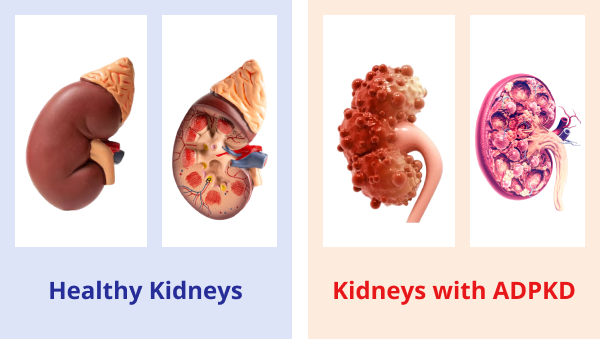
Tolvaptan Lupin is a medicine used for the treatment of Autosomal Dominant Polycystic
Kidney Disease
(ADPKD). It works by blocking the effects of vasopressin which slows down the rate at
which cyst grow.
Tolvaptan Lupin may cause adverse reactions related to water loss, such
as thirst, polyuria, nocturia, and pollakiuria. Therefore, ensure that patients
have access to water (or other aqueous fluids) and can drink enough of
these fluids.
Things to Remember
- Provide the patient with a copy of the Patient Guide, the CMI and the Wallet Card (also provided in each pack of Tolvaptan Lupin).
- Give the patient a recurring pathology slip for liver function tests (LFTs). Ensure you request ALT, AST and total bilirubin.
- Patients must be instructed to drink plenty of water / fluids to avoid excessive thirst or dehydration. They must also consume 1 to 2 glasses of fluid before going to bed and must rehydrate overnight with each episode of nocturia.
- Volume status must be monitored because treatment with Tolvaptan Lupin may result in severe dehydration.

Please note: Not actual doctor and patient image
Frequently Asked Questions
What to do if your patient missed their dose?
If a dose is missed, patients should take the dose as soon as they remember on the same day. If
patients do not take their tablets on one day, they should take their normal dose on the next
day.
Patients MUST NOT take a double dose to make up for forgotten individual doses.
How to Store Tolvaptan Lupin?
Keep Tolvaptan Lupin in a cool, dry place where the temperature stays below 25° C. Keep it where young children cannot reach it.
What to do if your patient takes too much?
If the patient thinks that they have taken too much Tolvaptan Lupin, they must immediately telephone the Poisons Information Centre (telephone Australia 13 11 26) for advice, or go to Accident and Emergency at the nearest hospital. They should do this even if there are no signs of discomfort or poisoning. They may need urgent medical attention.